OIM Newsletter Fall 2026
Message from the Department Chair
Dear Alumni and Friends of the Operations and Information Management (OIM) Department,

Welcome to this year's OIM Department Newsletter. As I reflect on the past year, I am proud of how our department continues to evolve while remaining focused on what matters most: preparing students to thrive in a world increasingly shaped by data, artificial intelligence, and digital technologies.
One of the themes that emerges throughout this newsletter is the power of combining technical expertise with human insight. Our faculty's research consistently demonstrates that successful systems are built not only on algorithms and data, but also on thoughtful human judgment, collaboration, and creativity.
That same philosophy shapes our educational mission. This year, our students distinguished themselves through hands-on learning experiences, including national analytics competitions, industry-engaged projects, and the application of technological tools to real business challenges. Their accomplishments reflect both the strength of our curriculum and the motivation they bring to their studies. In this newsletter, you will hear directly from several students whose experiences illustrate the many pathways an OIM education can open.
We continue to expand opportunities for our students to develop the skills employers value most—including analytics, information systems, supply chain management, and AI-enabled decision making—so they’re equipped with the ability to translate data into action and technology into impact. The outstanding career outcomes of our graduates remain a source of pride and a reflection of the dedication of our faculty, staff, students, and alumni.
As one of the largest departments at Isenberg, we are fortunate to benefit from a vibrant community of faculty, students, alumni, and industry partners. Thank you for your continued support and engagement with OIM. I hope you enjoy reading about the achievements and innovations featured in this year's newsletter, and I look forward to the exciting opportunities ahead.
Sincerely,
Senay Solak, PhD
John F. Smith Memorial Professor and Department Chair
OIM Student Interviews | Fall 2026
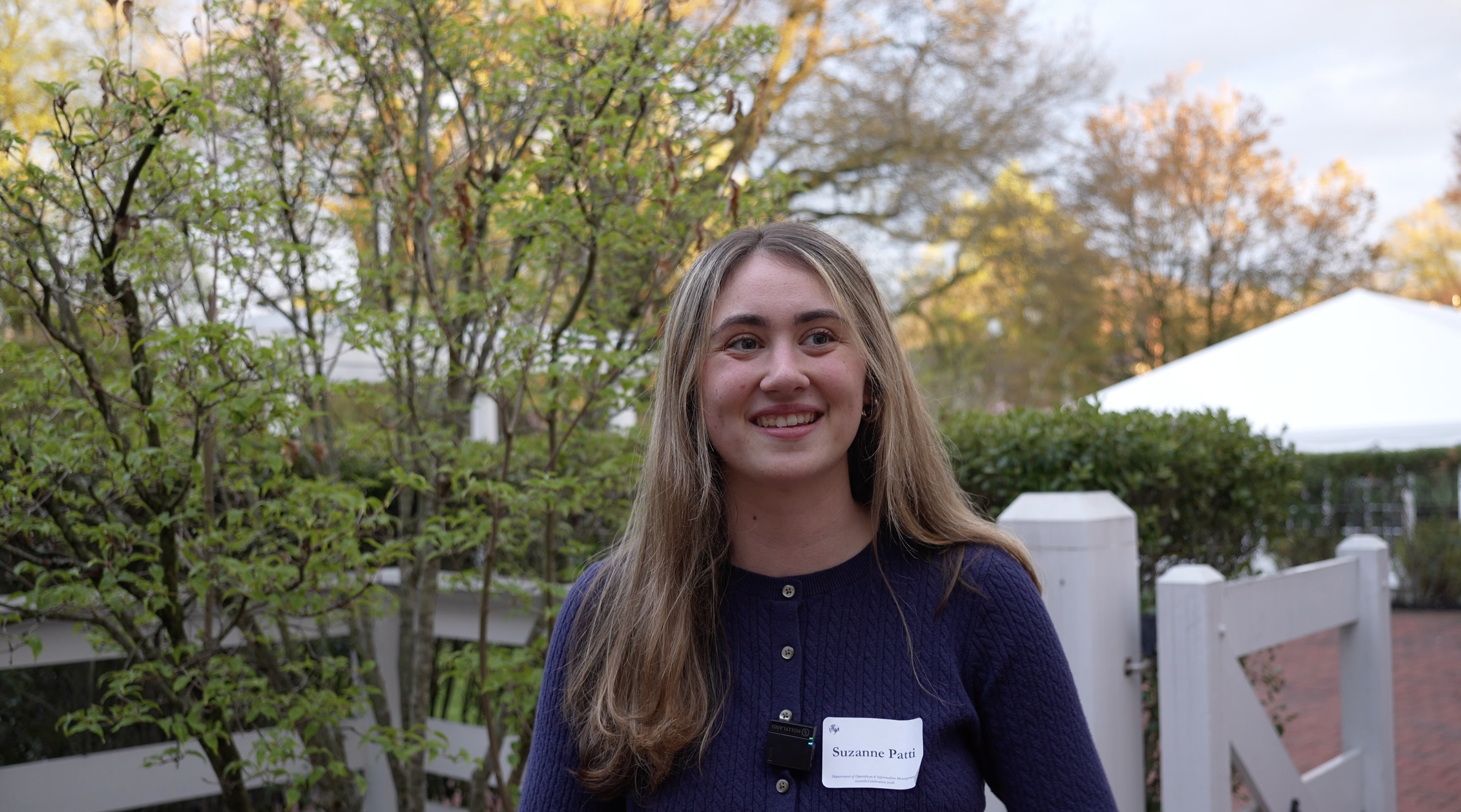
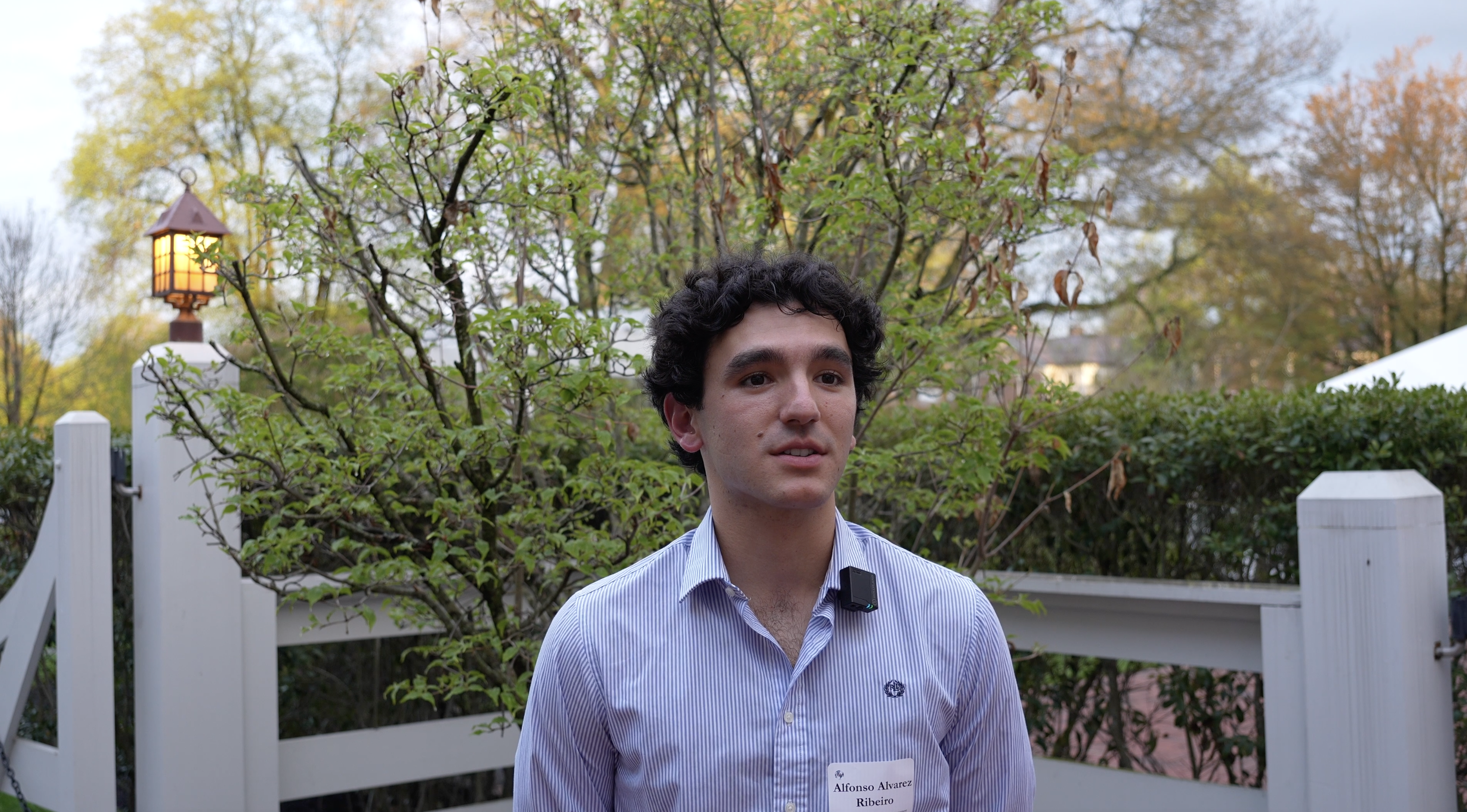
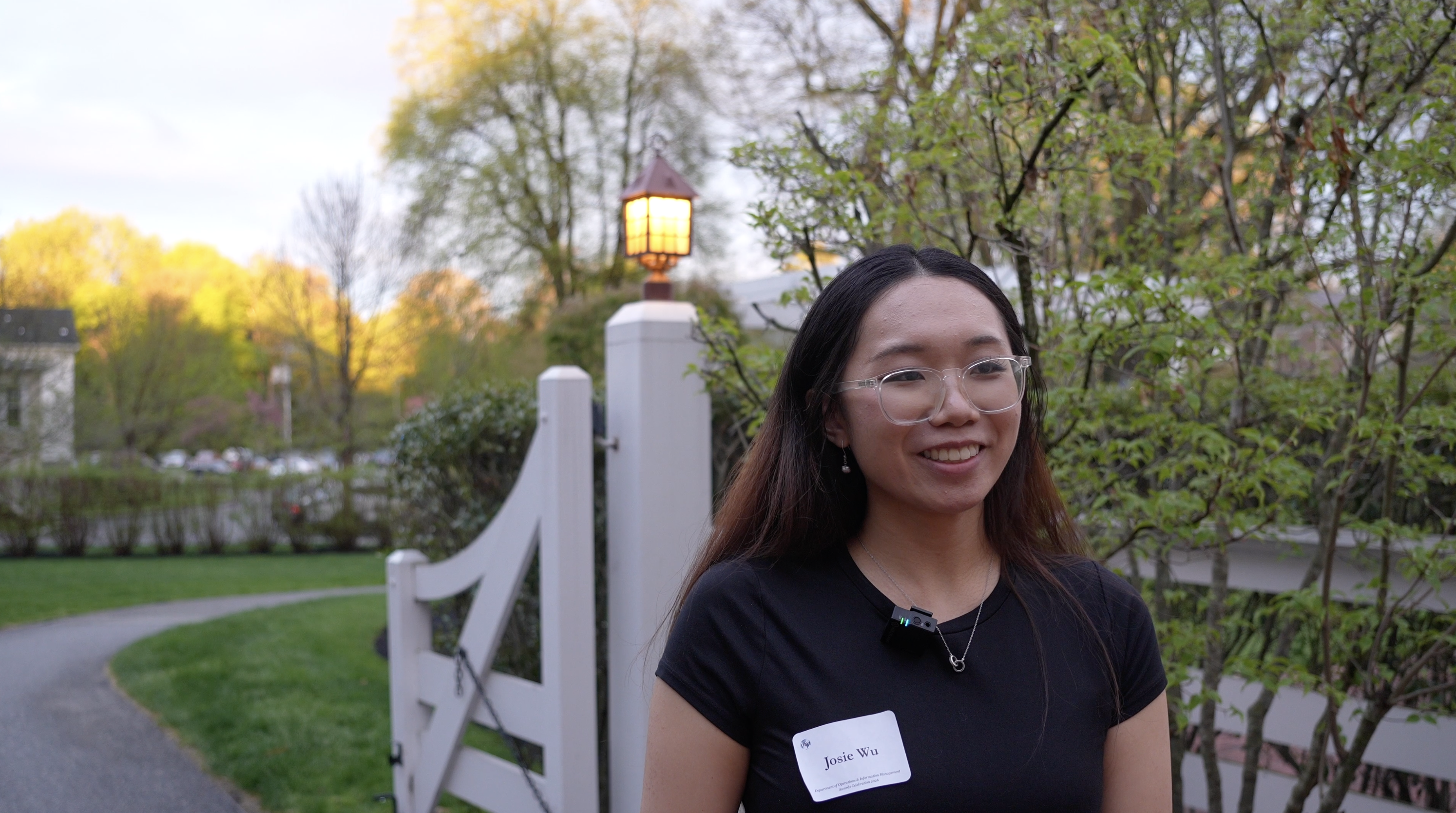
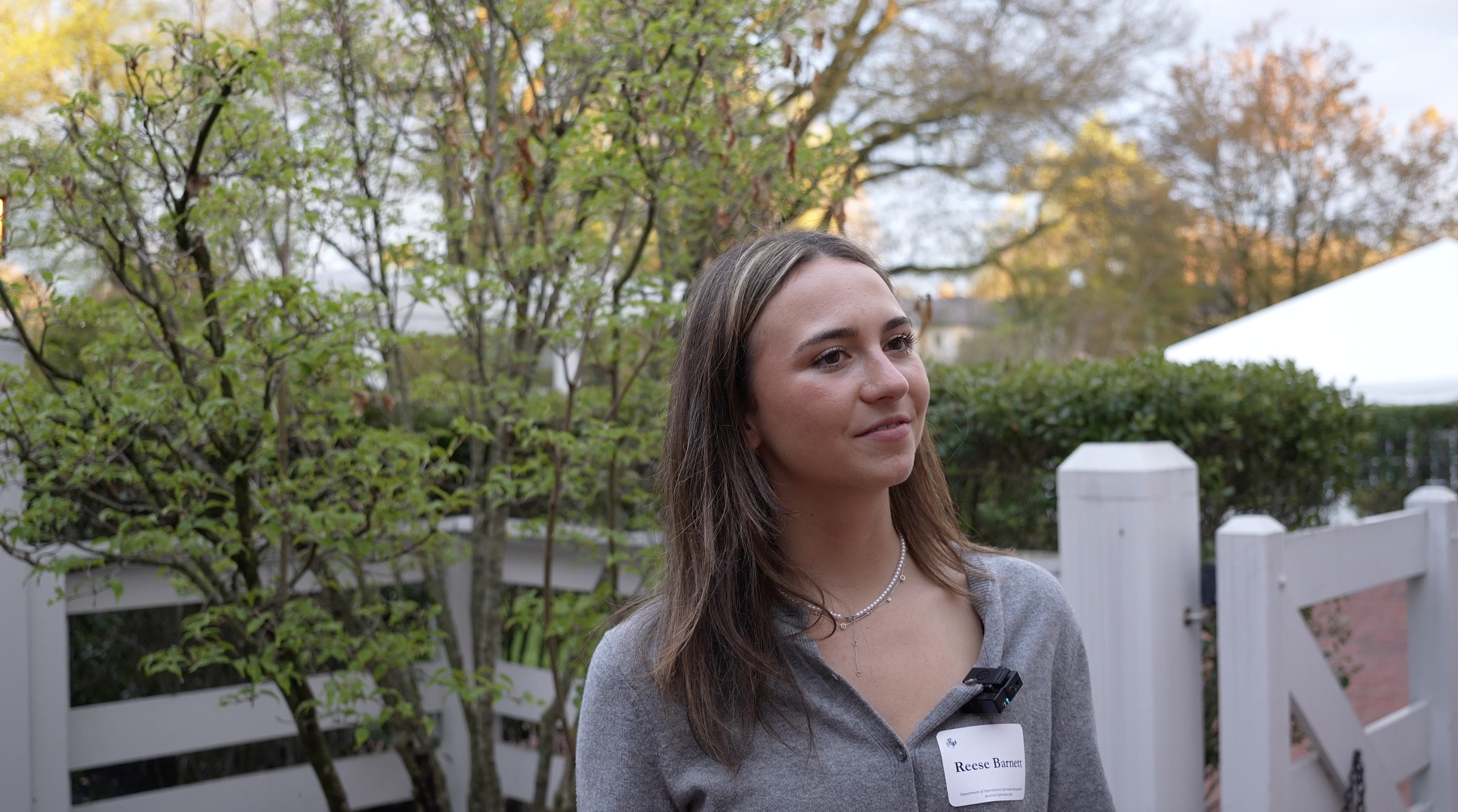


Nora Junaid: How I Became an Excel Ninja
As a lecturer in the Department of Operations and Information Management, I found myself standing in large classrooms every semester with students who needed to master Excel. As important and crucial as this tool is in today's workplace, it is notoriously associated with drudgery! Spreadsheets, endless rows of data, and the kind of tedium that makes eyes glaze over. But I was adamant about making it appealing, because this is a lifelong skill. No matter the major or the job, Excel proficiency is highly demanded.

Indika Dissanayake: Inside My Research on Innovation Beyond Organizational Boundaries
For decades, organizations relied primarily on internal teams, domain experts, and consultants to generate ideas, solve problems, and get work done. Today, digital platforms are reshaping this landscape by enabling individuals, organizations, and communities to tap into knowledge, expertise, labor, and ideas from geographically dispersed and often unaffiliated participants—collectively referred to as the crowd.

Zihao Qu: How I Approach the Science of Decision-Making
When I play video games, I often find myself managing trade-offs that shape the gameplay experience: which character to play, which armor to use, which magic spell to learn, and so on. These choices have always intrigued me, often prompting me to browse online forums to understand the underlying trade-offs more deeply. Maybe I was born with an interest in operational problems, or maybe years of gameplay cultivated my fascination with them. One way or another, this interest now motivates my research on real-time decision making under uncertainty.

OIM Students Take on Real-World Analytics Challenge at 2026 Business Analytics Competition
During the spring semester, two undergraduate teams from the Operations and Information Management (OIM) program at the Isenberg School of Management represented UMass Amherst at the 2026 Business Analytics Competition—a demanding analytics challenge that combined technical rigor, fast-paced problem solving, and professional presentation skills.

Faculty Research: OIM Professor Monideepa Tarafdar Examines the Role of Human Reflection in Productive LLM Interactions
Monideepa Tarafdar, PhD, Isenberg’s Charles J. Dockendorff endowed professor, recently published research in the Journal of Management Information Systems focused on answering the question that all business leaders are asking in the age of artificial intelligence: How can we work effectively with machines that appear to think—such as, in today’s world, large language models?

Senior Speaker 2026: Nora Giannetti
During her first two years as a UMass Amherst student, Nora Giannetti wasn’t sure what her niche on campus should be. She tried the rowing team but didn’t enjoy the 4 a.m. wake-ups. Sophomore year, she chose a different path, commuting from her Southampton, Mass., home in the fall. Then, that spring, she moved to Hawaii through the National Student Exchange. While there, she launched a gluten-free baking business and spent that summer exploring the flavors of the “The Aloha State” and testing recipes.