Isenberg Forensic Accounting Director Named ACFE Educator of the Year
The Association of Certified Fraud Examiners (ACFE) has named Lynda Schwartz ’86, professor of practice and director of the Isenberg School of Management’s Graduate Certificate in Forensic Accounting program at UMass Amherst, its 2026 Educator of the Year.
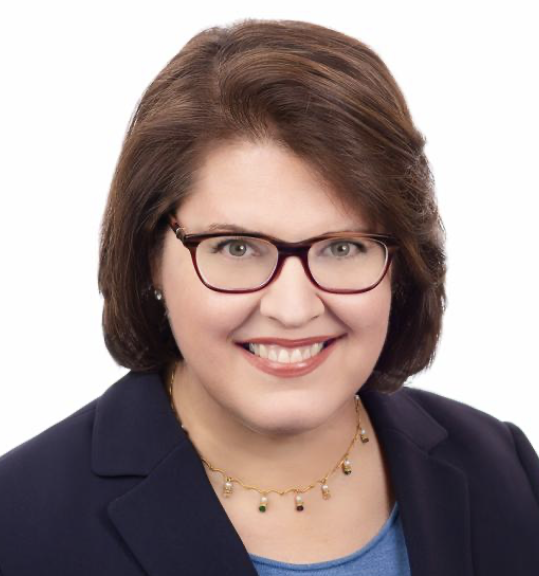
Established in 2002, the award recognizes an ACFE member who has made outstanding contributions to anti-fraud education within a college or university. It honors individuals whose teaching, scholarship, and leadership have helped prepare the next generation of fraud examiners and forensic accounting professionals.
Schwartz has spent more than a decade shaping future anti-fraud professionals through her leadership in higher education and extensive experience as a fraud investigator and forensic accountant. Since joining UMass Amherst in 2015, she has built and directed Isenberg’s forensic accounting and fraud examination curriculum, teaching core graduate courses while preparing students for careers in the field.
“I’m incredibly honored by this award,” said Schwartz, who received the award during the 37th annual ACFE Global Fraud Conference, held July 12-17, 2026, in Boston. “It’s a thrill to be included among the ACFE’s distinguished honorees, and it’s been a joy to work with my colleagues at Isenberg to build a robust and valuable forensic accounting curriculum.”
Before entering academia, she spent 26 years with EY, where she helped establish the firm’s Fraud & Dispute Services practice in New England. During her career, she led complex fraud investigations, regulatory compliance engagements, and litigation support matters. She continues to consult on anti-fraud and compliance issues, bringing current industry expertise into the classroom. An Isenberg alumna, Schwartz developed the school’s first forensic accounting colloquium in 2015.
Beyond teaching, Schwartz has also made significant contributions to anti-fraud education through research, professional publications, and speaking engagements. Last year, she served as principal author of the COSO and ACFE Fraud Risk Management Certificate Program, creating an educational resource that supports students, educators, and business leaders in advancing fraud risk management practices. She also contributed to the 2017 and 2023 editions of the Fraud Risk Management Guide, served as a guest editor and peer reviewer for the Journal of Forensic Accounting Research, and authored numerous publications on fraud investigations, litigation services, and forensic technology.
By combining decades of professional experience with academic leadership, Schwartz has helped bridge the gap between classroom instruction and real-world practice, equipping graduates with the knowledge and practical skills to identify, investigate, and prevent financial fraud.
“Unfortunately, financial fraud is both pervasive and perennial. Business disputes and litigation are common,” said Schwartz. “I want every Isenberg graduate to have the skills to confidently manage these business risks, wherever their careers may take them.
“I’m proud that my work helps our graduates navigate the many ways that financial fraud affects business leaders, including professional ethics, financial reporting, decision-making, risk assessment, operations management, and governance challenges,” she added. “We all have a role to play in fighting financial fraud and building resilient organizations.”
